
Energy Efficient Blinds for Brisbane Homes
The right blinds significantly reduce energy costs in Brisbane homes. Blocking heat in summer and retaining warmth in winter saves money. This guide covers energy-efficient blind options.
Related service: Honeycomb Blinds
How Blinds Affect Energy
Windows are major sources of heat gain and loss. Glass conducts temperature poorly. Solar radiation heats rooms in summer. Heat escapes through glass in winter. Effective blinds address both issues.
Reflective blinds bounce solar heat away before it enters rooms. This keeps Brisbane homes cooler in summer. Less air conditioning needed saves significant electricity costs over long hot months.
Insulating blinds trap air near windows. This creates barrier against heat transfer. Rooms stay cooler in summer, warmer in winter. The air gap provides surprisingly effective insulation.
Best Energy-Efficient Blind Types
Honeycomb blinds are most energy-efficient option available. The cellular structure traps air in pockets. This insulation reduces heat transfer significantly. Single cell blinds provide good insulation. Double cell blinds provide even better performance.
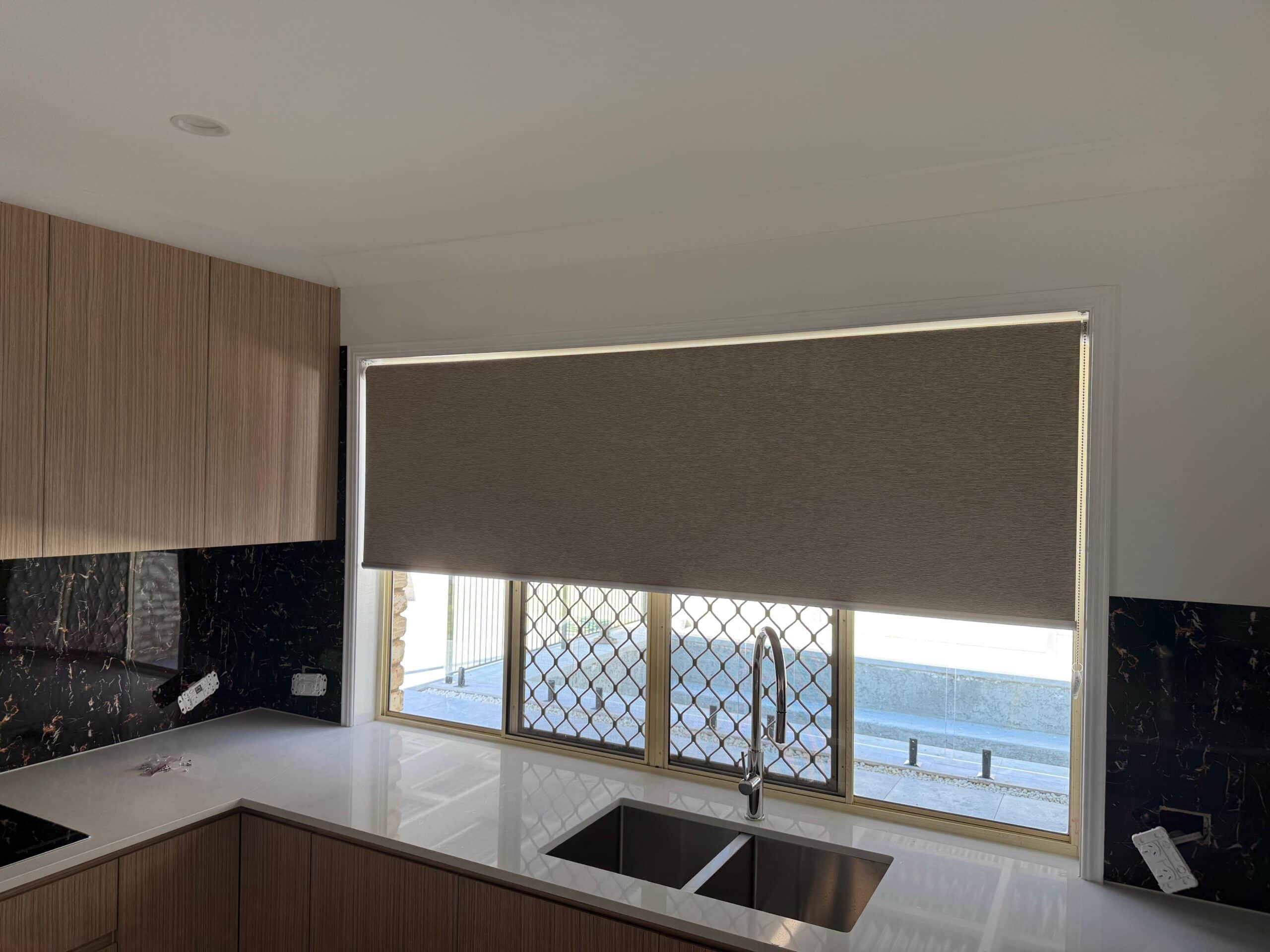
Blockout roller blinds with reflective backing work excellently. The white or silver backing reflects solar radiation away. Combined with blockout properties, they stop heat and light completely. Perfect for west and north-facing Brisbane windows.
Roman blinds with thermal lining insulate well. Multiple fabric layers trap air. The soft folds create additional insulating pockets. They look elegant while performing energy-saving duties.
External blinds and awnings are most effective. They block sun before it reaches glass. This prevents heat entering entirely. More effective than any internal blind but costs more to install.
- Honeycomb: Best insulation from cellular structure
- Reflective blockout: Bounces heat away
- Thermal roman: Multiple insulating layers
- External shading: Stops heat before glass
Colour and Coating Matters
Light colours reflect more heat than dark colours. White, cream, and light grey blinds bounce solar radiation away effectively. The lighter the colour, the better the reflection. This makes real difference in Brisbane summer.
Metallised coatings enhance reflection significantly. Silver backing reflects maximum solar radiation. Some fabrics have aluminium particles woven in. These coatings dramatically improve heat rejection performance.
Dark colours absorb heat instead of reflecting. They warm up in sun and radiate heat into rooms. Avoid dark blinds on west and north-facing windows if energy efficiency matters.
Brisbane-Specific Strategies
West-facing windows need maximum heat rejection. These cop intense afternoon sun for hours. Reflective blockout blinds make biggest impact here. Close them when afternoon sun hits.
North-facing windows get consistent sun all day. Sunscreen or honeycomb blinds reduce heat gain while maintaining some light. Less extreme than west windows but still significant heat sources.
East-facing windows get morning sun. Usually less problematic than west sun in Brisbane. Lighter blinds often sufficient. Focus energy-efficient blinds budget on west windows first.
South-facing windows get minimal direct sun. Energy efficiency less critical here. Prioritise other factors like privacy and light control. Save budget for windows that matter more.
Operating for Maximum Efficiency
Close blinds before sun hits windows. Stopping heat before it enters works better than trying to manage heat after entry. Morning routine closing west blinds saves energy all afternoon.
Leave blinds closed during hottest part of day. Rooms stay cooler with blinds down. Open blinds evening when outside temperature drops below inside temperature.
Motorised blinds with timers optimise operation. Program blinds to close when sun hits, open when it passes. Automation ensures maximum efficiency without remembering daily.
Smart blinds with temperature sensors close automatically when rooms heat up. They open when cooling benefit exists. This maximises energy saving without manual operation.
Common Questions
How much can energy-efficient blinds save?
Quality energy-efficient blinds can reduce cooling costs by 25 to 45 percent depending on window orientation and blind type. West-facing windows show biggest savings. Typical Brisbane home might save two hundred to five hundred dollars annually on electricity.
Do blinds help in winter too?
Yes. Insulating blinds like honeycomb types retain warmth inside during Brisbane’s mild winters. The savings are smaller than summer savings because heating needs are minimal. The insulation works both directions though.
Are external blinds worth extra cost?
For west-facing windows, external blinds provide best heat rejection available. The cost premium is worthwhile if those windows make rooms uncomfortably hot. Internal blinds are adequate for most other windows.
When to Call a Professional
Assessing which windows need energy-efficient blinds most takes expertise. Professionals understand heat gain patterns and recommend appropriate solutions for each window. They ensure you invest where it matters most.
Atlas Blind & Curtain provides expert Honeycomb Blinds and energy-efficient solutions across Brisbane, Ipswich, and Logan. We assess your home’s heat gain patterns, recommend cost-effective solutions, and install quality energy-saving blinds.
Need Help in Brisbane, Ipswich or Logan?
Contact Atlas Blind & Curtain for expert blinds and curtains services across Brisbane, Ipswich and Logan.
Phone: 07 3195 2934
Address: 4/30 Kelliher Rd, Darra QLD 4076