
Measuring Kitchen Windows for Blinds in Brisbane Homes
Kitchen windows come in many shapes and positions. Accurate measuring ensures blinds fit properly despite splashbacks, benchtops, and fixtures. This guide explains how to measure different kitchen window types for blind installation.
Related service: Kitchen Blinds Installation
Kitchen Window Challenges
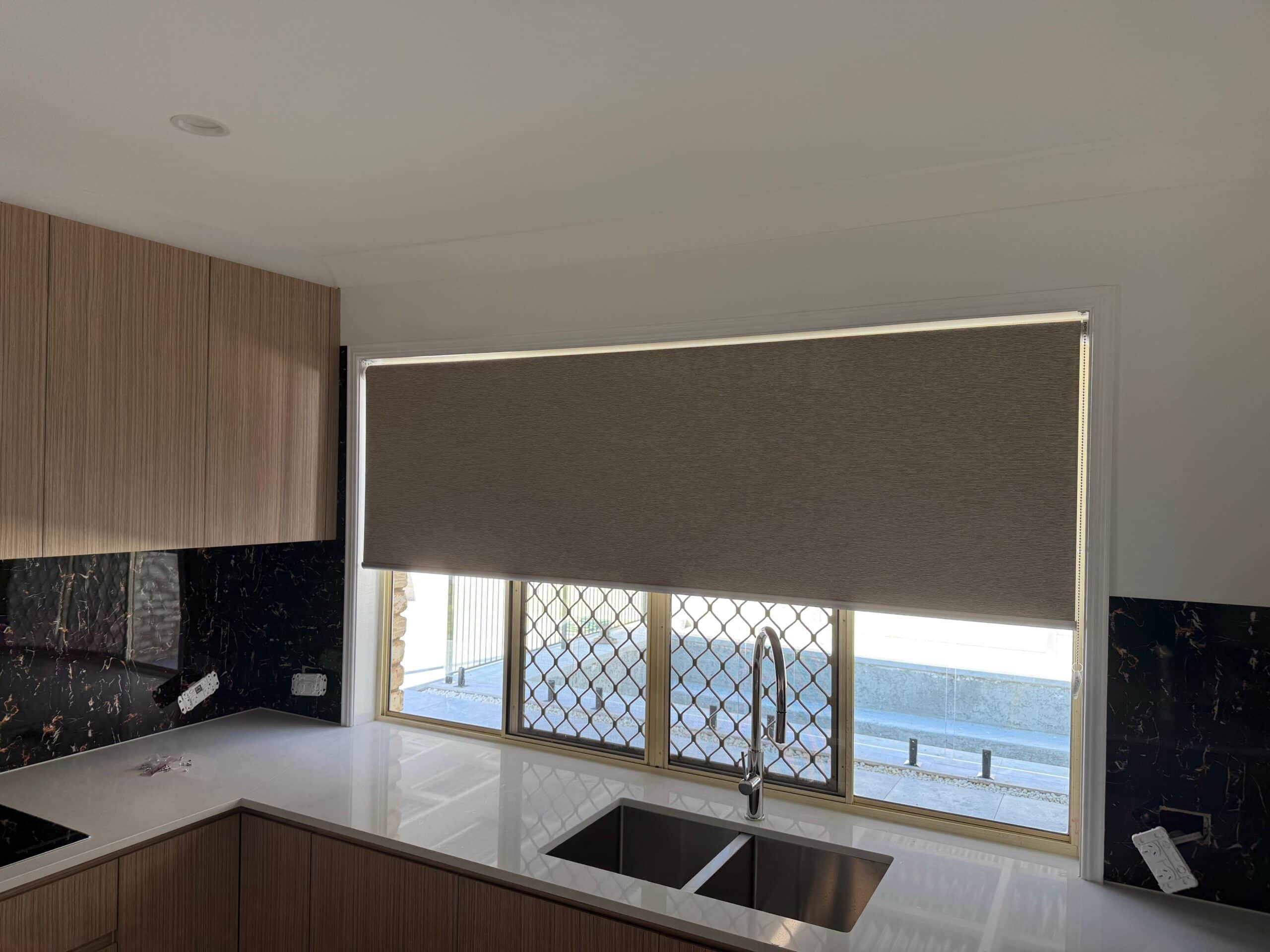
Splashback windows sit behind sinks or cooktops. They have limited space above and below. Benchtops restrict how low blinds can hang. Taps and mixers may interfere with blind operation.
Servery windows open between kitchen and dining areas. Both sides matter for measuring. The blind must not interfere with passing plates or opening the servery. Clearances need careful calculation.
Corner windows join at an angle. Measuring each window separately is essential. Blinds must not clash at the corner. Allow space for both blinds to operate independently.
Small hopper or awning windows above benches have unique considerations. The window may tilt out for ventilation. Blinds must not prevent the window from opening. Mounting space can be tight.
Inside vs Outside Mount for Kitchens
Inside mount suits most kitchen windows. The blind sits within the window recess. This keeps blinds away from splashback tiles and benchtops. The neat installation suits modern kitchens.
Outside mount works when there is insufficient recess depth. The blind mounts on the wall or ceiling outside the recess. This allows clearance for tap mixers or other obstructions. Outside mounting also blocks more light.
Splashback windows often need outside mounting. The tiles leave no mounting surface inside the recess. Mount brackets above the tiles on the wall or ceiling. This keeps blinds clear of moisture.
Measuring Step by Step
Width measurement comes first. For inside mount, measure the recess width at top, middle, and bottom. Use the narrowest measurement. Window recesses are rarely perfectly square.
Height measurement follows. For inside mount, measure from the top of the recess to the benchtop or sill. Allow clearance above the benchtop so the blind does not drag. Typically leave ten to fifteen millimetres clearance.
Depth check ensures the blind mechanism fits. Measure from the window glass to the front of the recess. Roller blinds need at least forty millimetres. Venetian blinds need sixty millimetres or more depending on slat size.
Obstructions require extra measurements. Note tap position and how far it projects above the benchtop. Measure window handle positions if they project into the recess. These details prevent fitting problems.
- Width: Narrowest of three measurements
- Height: Top to benchtop less clearance
- Depth: Must fit blind mechanism
- Obstructions: Taps, handles, tiles
Splashback Window Specifics
Measure to the top of the window frame, not the top of tiles. Tiles often extend higher than the frame. The blind mounts above the tiles on the wall or ceiling.
Consider steam and splash zones. Mount blinds high enough that rising steam does not hit the rolled blind. Position at least one hundred millimetres above the highest tile if possible.
Check mixer tap clearance. Tall mixer taps may prevent blinds from lowering fully. Measure tap height and ensure the blind can lower past it. Some taps swing aside, others do not.
Servery Window Measurements
Measure from both sides. The kitchen side may have different clearances than the dining side. The blind must work from both perspectives.
Opening clearance matters. Servery windows often slide or lift. The blind must not interfere with window operation. Note which way the window opens and allow clearance.
Benchtop on both sides affects blind length. Measure height from both sides if benchtops differ. Use the higher benchtop to determine blind length. The blind cannot hang lower than the lowest obstruction.
Small Window Considerations
Small windows have proportionally less margin for error. A five millimetre error on a small window looks obvious. A five millimetre error on a large window barely shows. Measure small kitchen windows with extra care.
Mounting space may be limited. Small windows often sit close to walls or in corners. Check there is room for mounting brackets on each side. Sometimes outside mounting is the only option due to space constraints.
Operating hopper or awning windows need clearance. These windows tilt out for ventilation. The blind must not prevent opening. Measure how far the window projects when open. Ensure the blind sits clear.
Brisbane Home Variations
Queenslander kitchens often have tall windows. Measure carefully as heights can exceed two metres. High windows may need ladder access for installation and operation. Consider motorisation for very high windows.
Modern apartment kitchens have compact windows. Measurements must be precise due to tight spaces. Even small errors create visible gaps or binding. Professional measuring prevents problems in these tricky installations.
Renovated older homes may have uneven openings. Measure multiple points and note variations. The blind manufacturer needs to know about unevenness. Custom adjustments during manufacturing accommodate irregular openings.
Tools and Techniques
Use a steel measuring tape. Tape measures with magnetic ends help when measuring alone. The magnetic end sticks to metal window frames while you extend the tape.
Measure in millimetres. Kitchen windows are usually small enough that millimetre precision matters. Centimetre measurements lack the precision needed for good results.
Take photos from multiple angles. Photos help when discussing options with suppliers. They show obstructions and mounting challenges that measurements alone do not capture.
Write down every measurement clearly. Label each measurement with what it represents. Kitchen windows have many measurements and confusing them creates problems.
Common Questions
Can I measure kitchen windows myself?
You can, but kitchen windows are tricky. The obstructions and tight spaces create many opportunities for error. Professional measuring is usually free when you buy blinds. The expertise prevents costly mistakes.
What if my tap is in the way?
Measure how high the tap extends. The blind must clear it when lowered. Sometimes outside mounting solves this. Sometimes a different blind type works better. Professionals can advise on the best solution.
Do splashback tiles affect measurements?
Yes. Tiles reduce or eliminate the mounting surface inside the window recess. Measure to the top of the tiles. Outside mounting above the tiles usually works best. This keeps blinds clear of moisture too.
When to Call a Professional
Kitchen windows present more measurement challenges than regular windows. Professionals understand the complications and know how to work around taps, benchtops, and splashbacks.
Atlas Blind & Curtain offers free professional measuring for Kitchen Blinds Installation across Brisbane, Ipswich, and Logan. We measure accurately, identify mounting challenges, and recommend solutions that work with your kitchen layout.
Need Help in Brisbane, Ipswich or Logan?
Contact Atlas Blind & Curtain for expert blinds and curtains services across Brisbane, Ipswich and Logan.
Phone: 07 3195 2934
Address: 4/30 Kelliher Rd, Darra QLD 4076