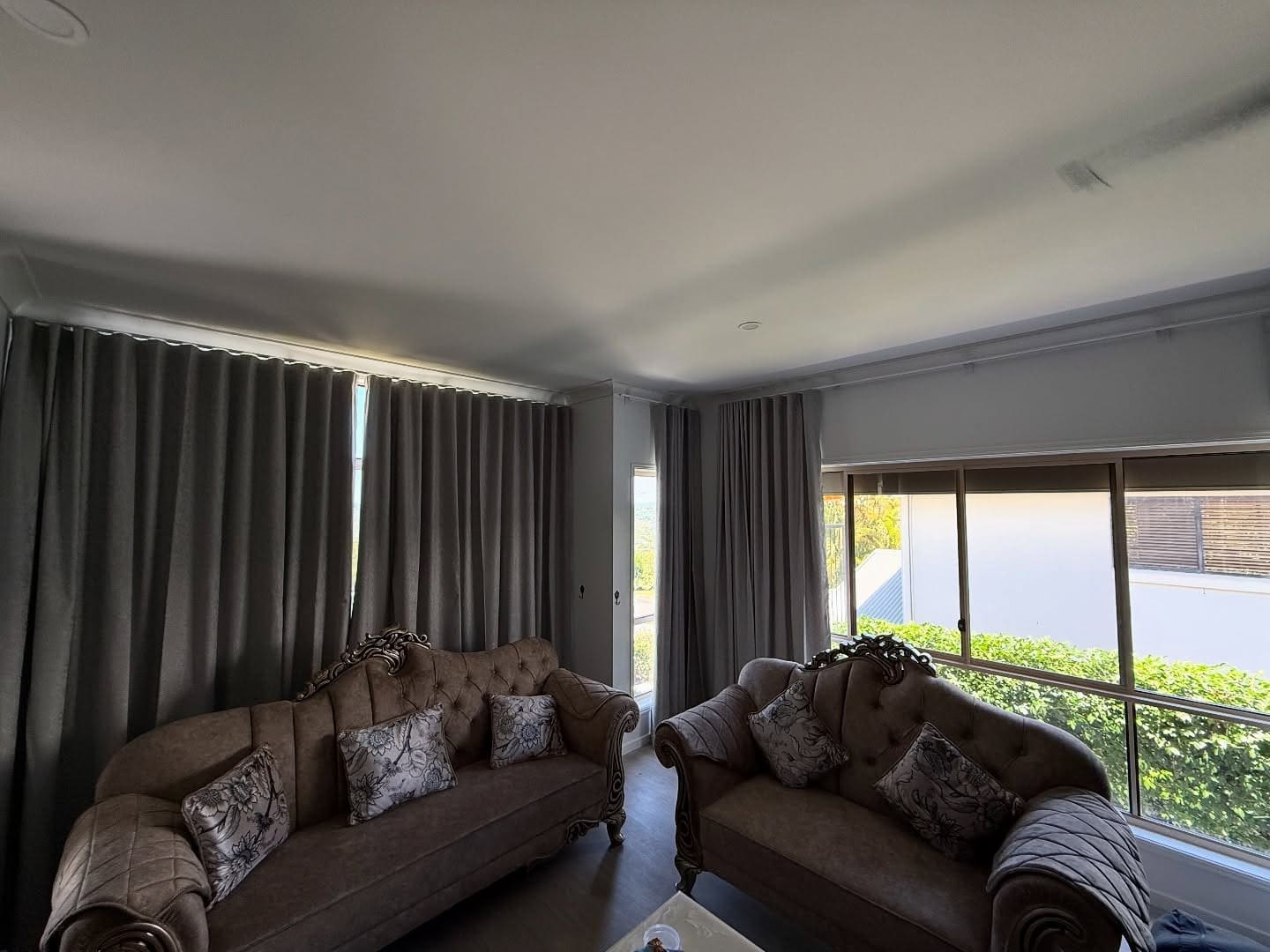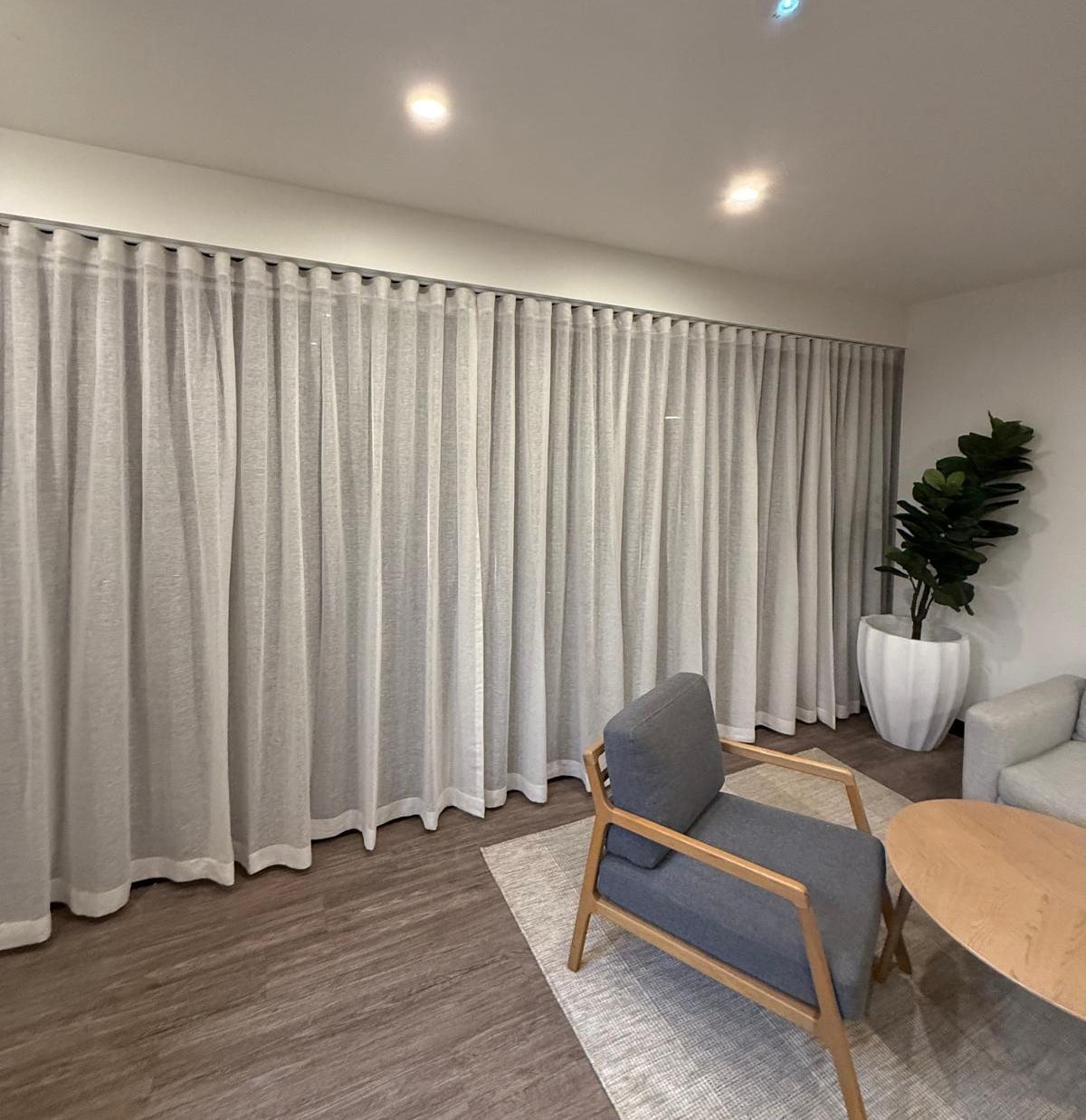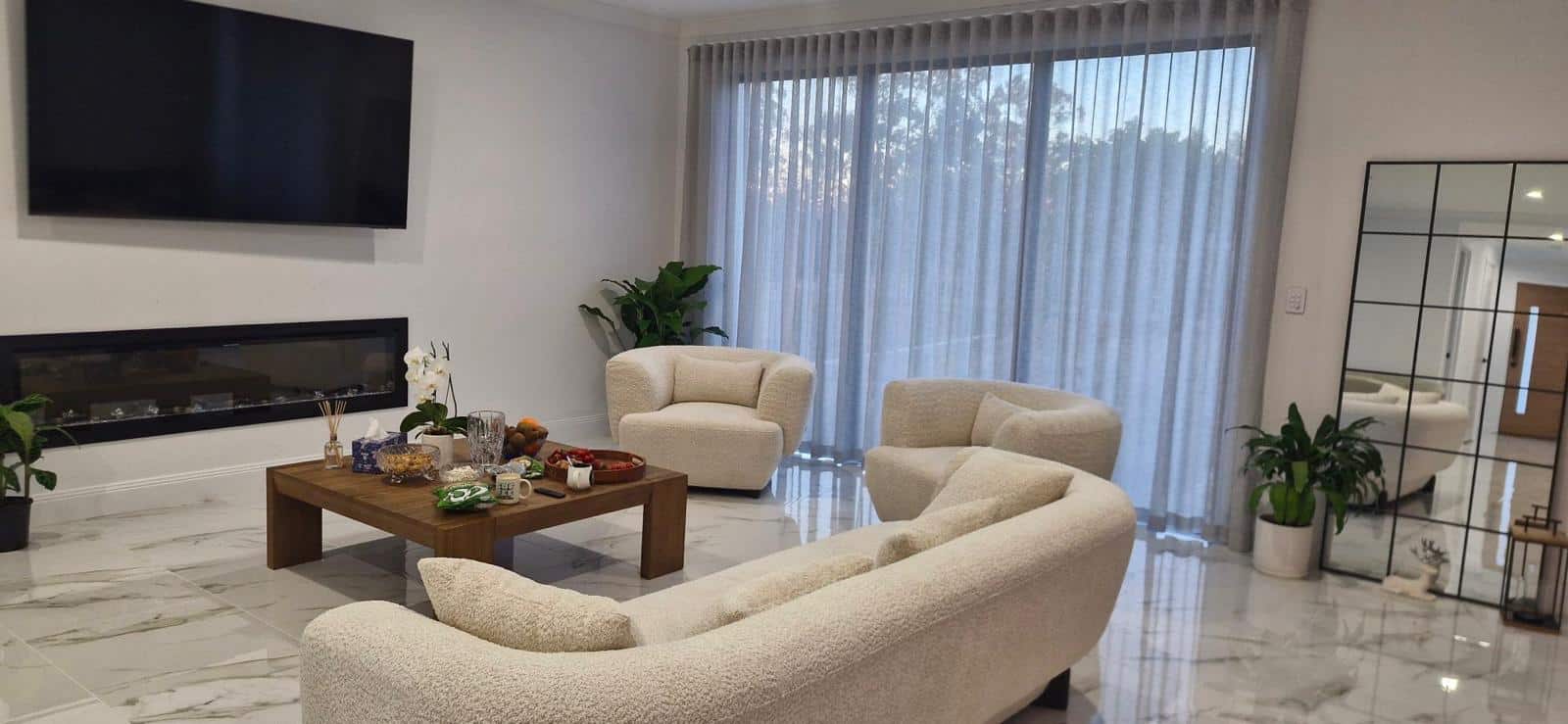

Energy Efficiency: How Commercial Blinds Reduce Brisbane Office Costs
Air conditioning is a major cost for Brisbane commercial buildings. The right blinds can cut cooling costs by 20 to 40 percent. This guide explains how commercial blinds improve energy efficiency and reduce operating costs.
Related service: Commercial Blinds Supply and Install
How Blinds Affect Building Energy Use
Glass is a poor insulator. Heat passes through easily in both directions. In summer, Brisbane sun heats glass which radiates heat into your building. In winter, warm air escapes through glass. This forces heating and cooling systems to work harder.
Blinds create a barrier. Internal blinds trap air between the glass and fabric. This air gap insulates. The effect is stronger with reflective or low-emissivity fabrics that bounce heat away. External shading is most effective but internal blinds still make a big difference.
Solar heat gain is the main issue in Brisbane. North and west-facing glass gets intense sun. The right blinds can reduce solar heat gain by 50 to 75 percent. This directly translates to lower air conditioning load and costs.
Smart blind operation maximises efficiency. Close blinds on hot afternoons. Open them on cool mornings. This active management extracts maximum benefit. Automated systems handle this without requiring staff action.
Best Blind Fabrics for Energy Efficiency
Metallised or reflective fabrics perform best. The metallic coating reflects solar radiation before it becomes heat. These fabrics can reject up to 75 percent of solar heat. They suit west and north-facing windows in Brisbane.
Light colours reflect more heat than dark colours. White or cream fabrics bounce Brisbane sun away. Dark fabrics absorb heat. For cooling, always choose light colours on the sun-facing side. Some fabrics have white backing regardless of face colour.
Sunscreen fabrics balance heat blocking with view and light. A three percent openness sunscreen blocks around 50 percent of heat while letting you see out. One percent openness blocks around 70 percent of heat but dims the view. Choose based on your priorities.
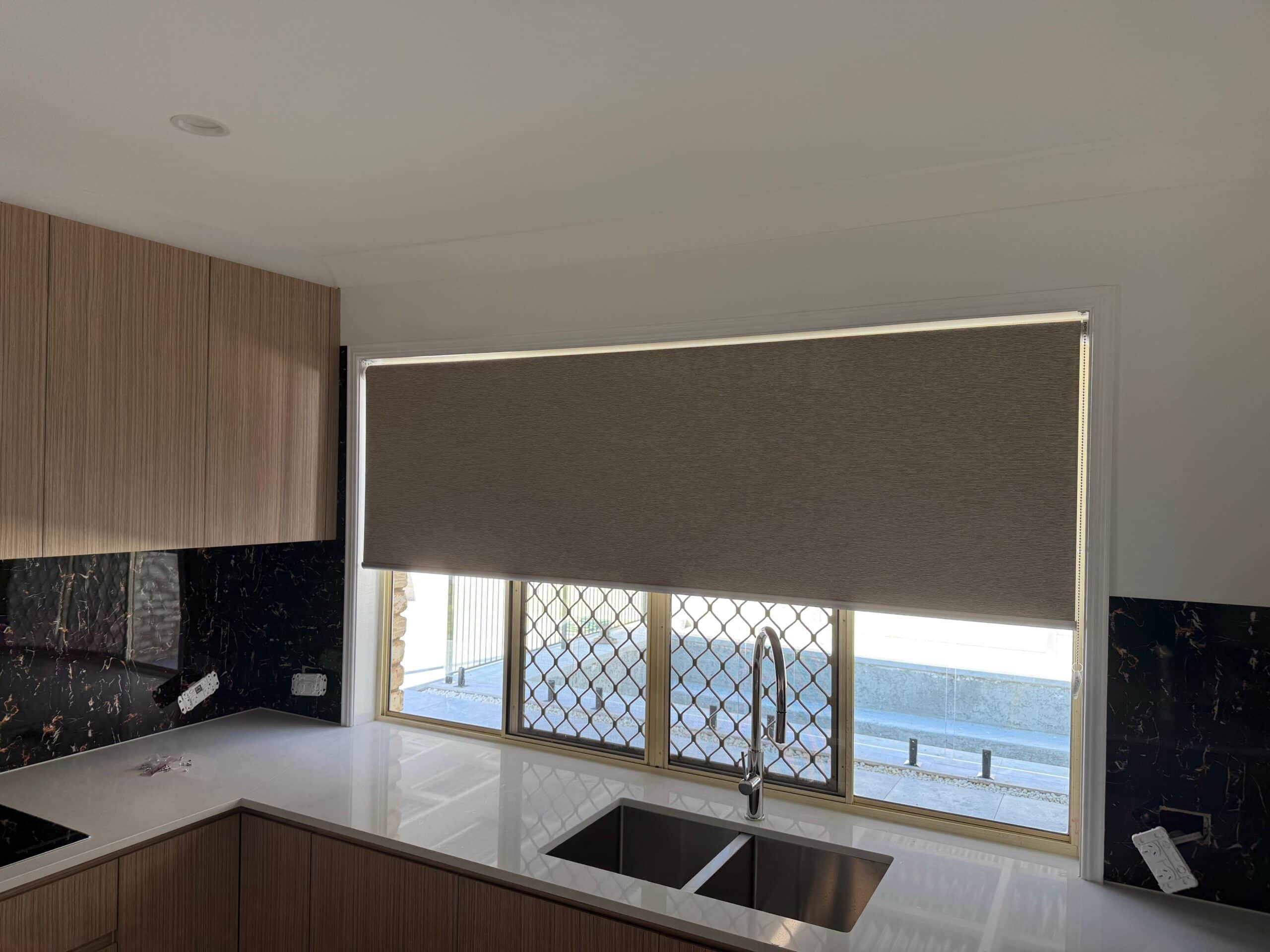
Blockout fabrics with thermal lining provide maximum insulation. The thick fabric and backing create the best air gap. Blockout blinds work well in meeting rooms and spaces that do not need constant natural light.
Fabric Performance Comparison
- Metallised sunscreen: 60-75% heat rejection
- Light-coloured sunscreen: 40-60% heat rejection
- Blockout with thermal backing: 50-70% heat rejection
- Standard sunscreen: 30-50% heat rejection
Window Orientation and Blind Strategy
North-facing windows get sun all day year-round. They need consistent heat blocking. Sunscreen blinds with moderate openness work well. You get light and view while cutting heat. Leave blinds partially closed all day for best results.
West-facing windows get the worst heat in Brisbane. Afternoon sun is intense and lasts for hours. These windows need maximum heat rejection. Use one percent openness sunscreen or metallised fabrics. Close blinds completely during afternoon sun.
East-facing windows get morning sun. The sun is less intense than afternoon. Standard sunscreen fabrics handle morning heat adequately. Open blinds after mid-morning when direct sun moves off the glass.
South-facing windows get little direct sun. They need less heat blocking. Focus on glare control and privacy. Light filtering fabrics work well. These windows benefit your energy efficiency by providing light without much heat gain.
Calculating Energy Savings
Solar Heat Gain Coefficient measures how much heat passes through glass. Bare glass has an SHGC of around 0.8. This means 80 percent of solar radiation becomes interior heat. Quality sunscreen blinds can reduce SHGC to 0.3 to 0.5.
Lower SHGC means less cooling load. A building with 200 square metres of west-facing glass might reduce cooling costs by thousands of dollars annually. The payback period for quality commercial blinds is typically three to five years from energy savings alone.
Energy consultants can model savings. If you are retrofitting a commercial building, consultants calculate expected savings based on your glass area, orientation, and climate data. This helps justify the investment to building owners or boards.
Green building certifications value window treatments. Buildings pursuing NABERS, Green Star, or LEED ratings get points for effective solar control. Quality commercial blinds contribute to higher ratings. This increases property value and attracts environmentally-conscious tenants.
Automated Controls for Maximum Efficiency
Manual blinds rely on occupants adjusting them. People forget or cannot be bothered. Blinds stay open when they should be closed. Automated systems eliminate this problem.
Time-based automation closes blinds at set times. Programme blinds to close at 1pm on west windows. They open again at 5pm when sun moves off. This simple schedule captures most benefit without complexity.
Sun sensors measure light intensity. When sun exceeds a threshold, blinds close automatically. When intensity drops, they open. This optimises natural light while blocking excess heat. Sensors adjust to cloudy days automatically.
Building management systems integrate all controls. HVAC, lighting, and blinds work together. The system closes blinds and dims electric lights when sun is available. It opens blinds when more light is needed. This whole-building approach maximises efficiency.
Return on Investment
Commercial blinds cost $200 to $500 per window installed. A typical office with 50 windows invests $10,000 to $25,000. This sounds expensive. Energy savings change the calculation.
A building spending $30,000 annually on air conditioning might save $6,000 to $12,000 per year with quality blinds. Payback happens in two to four years. After that, savings continue for the 7 to 12 year life of the blinds.
Staff comfort and productivity improve. Rooms with controlled glare and temperature are more comfortable. Staff work more productively. Studies show productivity gains of 2 to 10 percent in properly managed environments. This benefit is harder to quantify but very real.
Furniture and fittings last longer. UV protection from blinds prevents fading and damage. Carpet, furniture, artwork, and fittings maintain appearance longer. Replacement costs reduce over time.
Common Questions
How much can commercial blinds really save on energy costs?
Studies show quality commercial blinds reduce cooling costs by 20 to 40 percent for buildings with significant glass area. Savings depend on window orientation, glass area, and existing efficiency. West-facing glass shows the biggest savings. Buildings with poor insulation see more dramatic improvements than newer efficient buildings.
Are automated blinds worth the extra cost for energy savings?
Yes, in most commercial buildings. Automated blinds close when they should. Manual blinds often stay open because occupants forget or are away. The improved performance usually pays back the automation premium within five to seven years. Larger buildings with many windows benefit most from automation.
Do I need external shading or are internal blinds enough?
External shading is most effective but costs significantly more. Internal blinds still provide 50 to 75 percent of the benefit at much lower cost. For most Brisbane commercial buildings, quality internal blinds offer the best value. Consider external shading only for extreme situations or new construction where it can be built in.
When to Call a Professional
Energy-efficient commercial blind selection requires expertise. Professionals assess your building orientation, calculate expected savings, and recommend fabrics that optimise performance. They provide data to support investment decisions.
Atlas Blind & Curtain offers energy-efficient Commercial Blinds Supply and Install across Brisbane, Ipswich, and Logan. We assess your building, recommend fabrics for maximum energy savings, and provide documentation for green building certifications. Our commercial-grade blinds deliver measurable cost reductions.
Need Help in Brisbane, Ipswich or Logan?
Contact Atlas Blind & Curtain for expert blinds and curtains services across Brisbane, Ipswich and Logan.
Phone: 07 3195 2934
Address: 4/30 Kelliher Rd, Darra QLD 4076