
Choosing Fabrics for Sliding Door Blinds in Brisbane
The fabric you choose for sliding door blinds affects light control, privacy, heat management, and style. Brisbane’s climate adds extra considerations. This guide helps you select the right fabric.
Related service: Sliding Door Blinds
Main Fabric Categories
Blockout fabrics prevent all light from passing through. The fabric has a backing layer that stops light completely. Rooms stay dark even in bright daylight. Blockout suits bedrooms and media rooms where darkness matters.
Sunscreen fabrics filter light while maintaining a view. The weave allows you to see outside while reducing glare and heat. Privacy works during the day but reverses at night when interior lights are on. Sunscreen suits living areas where you want natural light and views.
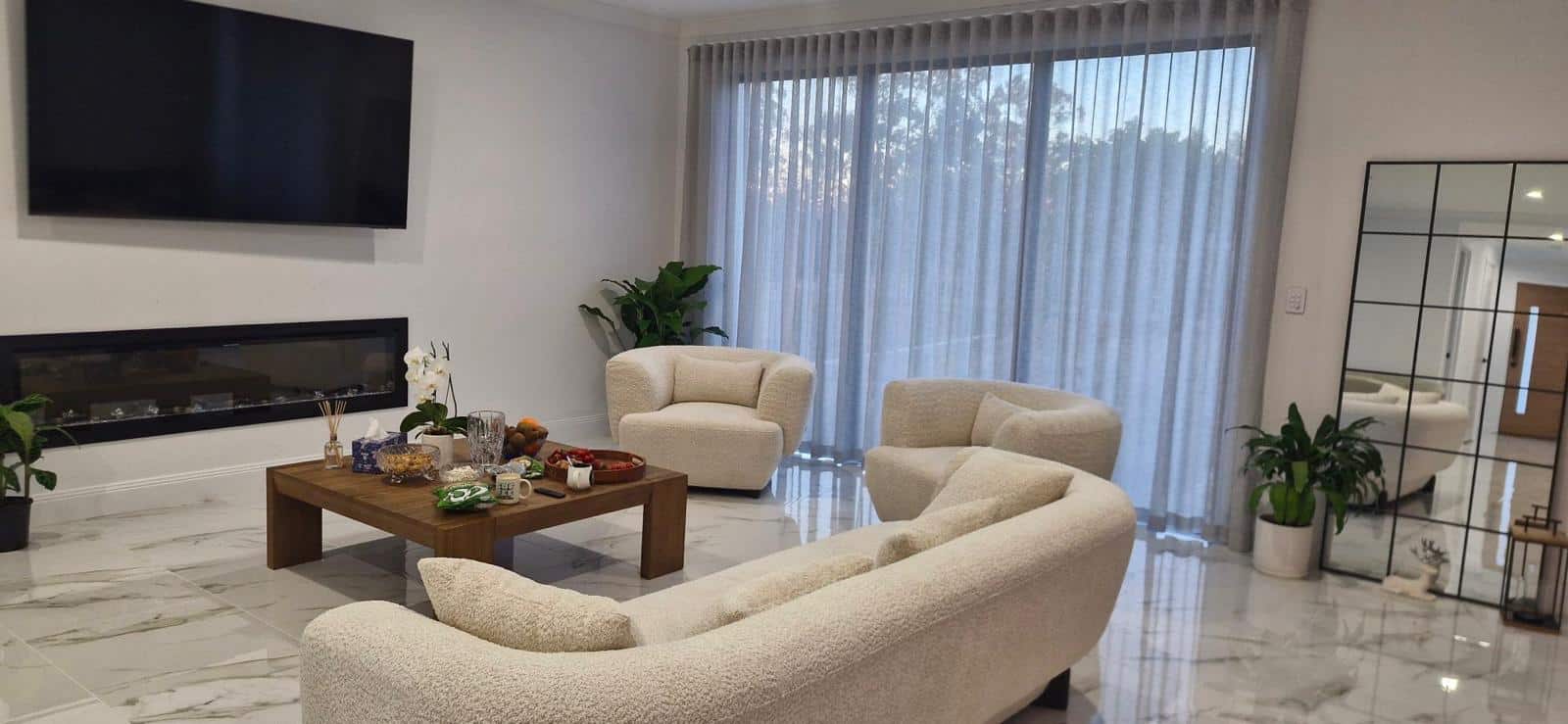
Translucent fabrics let light through without a clear view. They create soft, diffused light. Privacy works both day and night. Translucent suits areas where you want light but do not need to see outside.
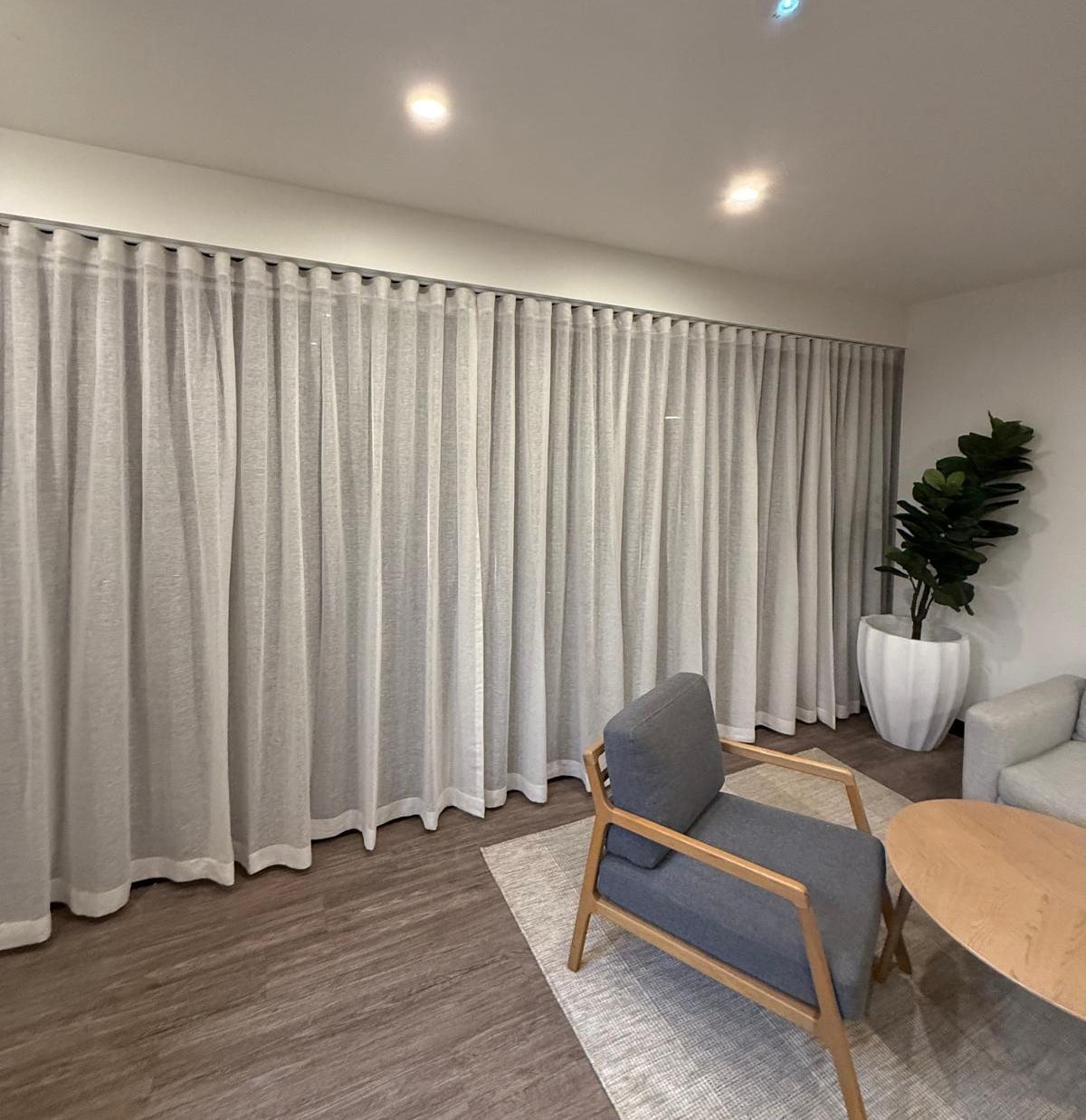
Sheer fabrics provide minimal light filtering. They soften harsh light and add a decorative element. Privacy is limited. Sheers work best combined with another blind or curtain for layered control.
- Blockout: Complete darkness
- Sunscreen: View with heat reduction
- Translucent: Soft light, full privacy
- Sheer: Decorative light filtering
Openness Factor Explained
Sunscreen fabrics have an openness rating shown as a percentage. A one percent openness means the weave is mostly closed. A ten percent openness means the weave is more open. This affects visibility and light filtering.
Lower openness ratings block more light and heat but reduce visibility. A one percent screen gives excellent heat blocking with a dimmer view outside. Higher openness ratings maintain better views but allow more light and heat through.
Brisbane conditions often call for lower openness ratings. The three percent to five percent range provides good visibility while blocking substantial heat. This works well for west-facing sliding doors.
Heat and UV Performance
Fabric colour affects heat absorption. Lighter colours reflect more heat. Darker colours absorb heat, which can make the blind itself hot. For Brisbane sliding doors, lighter fabrics generally perform better.
Metallic or reflective backing enhances heat rejection. Some fabrics include a reflective layer on the exterior side. This bounces heat away before it enters your home. Reflective fabrics make a noticeable difference on hot Brisbane afternoons.
UV protection preserves your interior. Quality sunscreen fabrics block ninety-five percent or more of UV rays. This protects flooring, furniture, and artwork from fading. Given Brisbane’s intense sun, UV blocking is essential for sliding doors.
Durability Considerations
PVC-coated fabrics handle humidity well. Brisbane’s subtropical climate means high humidity. PVC-coated fabrics resist moisture and mould. They clean easily with a damp cloth. PVC suits kitchens and areas near pools.
Polyester fabrics are the most common. They offer good durability and come in many colours and openness factors. Quality polyester with UV stabilisation lasts many years in Brisbane conditions.
Natural fibre fabrics like linen or cotton suit interior applications. They provide texture and warmth but are less practical for sliding doors exposed to sun and humidity. They fade and degrade faster than synthetic options.
Colour and Style
Neutral colours suit most homes. White, cream, grey, and beige work with any decor. They reflect heat well and show dirt less than very light or very dark extremes.
Matching interior tones creates cohesion. Consider your wall colours, flooring, and furniture. Blinds that complement your interior look intentional rather than added as an afterthought.
External appearance matters too. Large sliding door blinds are visible from outside. Check what colour looks best from the street. Many people choose white or cream for exterior uniformity even if interior colours vary.
Brisbane-Specific Fabric Choices
Western exposures need maximum heat blocking. Choose sunscreen with low openness or blockout fabrics with reflective backing. The afternoon sun through large sliding doors generates serious heat without proper blinds.
Northern exposures get sun most of the day. Sunscreen fabrics balance light and heat. You maintain natural light while managing temperature. This suits living areas where you spend time during the day.
Eastern and southern exposures are less demanding. Standard sunscreen or translucent fabrics work well. The sun intensity is lower or less direct. You have more flexibility in fabric choice.
Common Questions
Can I see out through sunscreen fabric at night?
Not with interior lights on. Sunscreen privacy reverses at night. The brighter side can see through to the darker side. With lights on inside, people outside can see in. Use blockout or add curtains for nighttime privacy.
How long does sliding door blind fabric last?
Quality fabric with UV stabilisation lasts eight to fifteen years in Brisbane conditions. Cheaper fabrics may degrade in three to five years. The intense Queensland sun takes a toll. Investing in quality fabric pays off long term.
Can fabric be changed without replacing the whole blind?
Usually yes. Most blind systems allow fabric replacement. This costs less than new blinds and gives you a fresh look or different functionality. The mechanism and track remain if they are in good condition.
When to Call a Professional
Fabric selection involves balancing multiple factors. Professionals assess your exposure, usage patterns, and preferences to recommend the best option. They have samples you can see and feel before committing.
Atlas Blind & Curtain offers expert Sliding Door Blinds across Brisbane, Ipswich, and Logan. We show you fabric samples, explain performance characteristics, and help you choose the perfect fabric for your situation.
Need Help in Brisbane, Ipswich or Logan?
Contact Atlas Blind & Curtain for expert blinds and curtains services across Brisbane, Ipswich and Logan.
Phone: 07 3195 2934
Address: 4/30 Kelliher Rd, Darra QLD 4076